Do you ever feel like all gift baskets are stuck in a rut? The predictable bath bombs, the generic artisanal soap—they’re nice, sure, but they lack soul. When it comes to celebrating something deeply personal, like years of shared life with a loved one, simply buying expensive items feels hollow. You want the gift itself to say, "I see you," not just, "I spent money." The challenge isn't finding beautiful objects; it’s weaving those objects into a narrative that speaks directly to your unique history together. This guide will walk you through exactly how to create a hamper that tells a story about your relationship, transforming mere filler items into tangible Australian Gift Delivery memories.
Pinpointing the Narrative: Defining Your Relationship Chapter
Before you even think about buying ribbon or selecting artisanal snacks, you need to identify the core story you want to tell. A great gift is not an accumulation of things; it’s a carefully curated emotional timeline. Think of your relationship not as a single book, but as a collection of chapters—a first date chapter, a "moving in together" chapter, or maybe even a successful period overcoming a shared challenge. What was the defining emotion during that time? Was it cozy comfort, adventurous spontaneity, or quiet mutual support?
Start by brainstorming these key moments. Don't just list dates; list emotions and sensory experiences. Did you bond over late-night movies? Were your early travels defined by cheap roadside diners and questionable motel coffee? These small details are the gold mines for your hamper. If you struggle with this initial conceptual phase, ask yourself: What is the one thing we always laugh about? That shared joke or memory often points directly to the theme of the hamper.
Curating Components That Speak Volumes (and Taste Great)
Once the narrative foundation is set, it’s time to select the physical items. The best components are those that aren't just pretty, but that reference a specific part of your shared story. This process requires shifting your perspective from "What gift looks nice?" to "What item reminds us of X moment?"
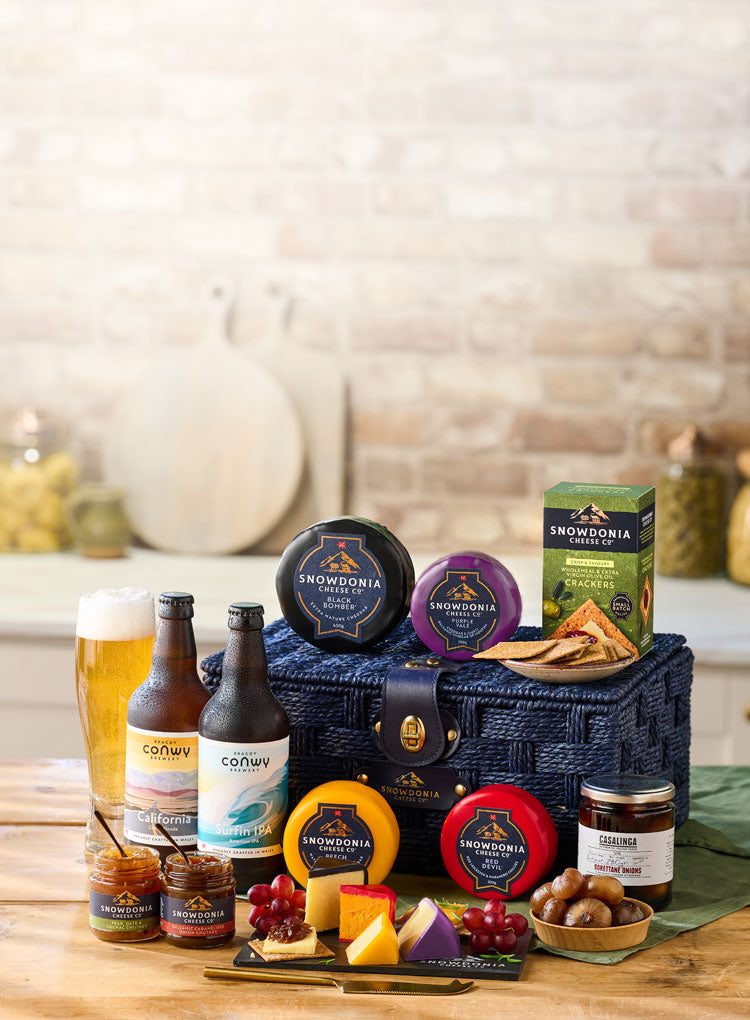
Consider these thematic categories for inspiration:
- The Sensory Memory: If you often spent time by the ocean, include a small jar of sea-salt blend or a candle scented with driftwood. These items trigger immediate nostalgia. The Shared Ritual: Did you develop a weekly routine—like Sunday morning coffee and reading? Include a specific blend of beans and a bookmark inscribed with a meaningful quote. This celebrates continuity. The Inside Joke Artifact: Can you find a small, quality version of something ridiculous that started an inside joke? Maybe miniature versions of the cheap candy you bought on your first road trip, or a packet of tea belonging to the time you moved into your first apartment.
Remember, every item should feel like a character in the story. Don't buy things just because they are trendy; buy them because they anchor a memory. The goal is for the recipient to open an item and think, "Oh, we did that."
Focusing on Specific Moments: From Anecdote to Artifact
Sometimes, the most powerful components come from unexpected places. For example, I once created a hamper for my partner after they had just finished writing a massive research paper. The story wasn't about romance; it was about support. Instead of flowers, I included an over-sized, ridiculously comfortable pair of fuzzy socks (a nod to our habit of hiding under blankets), a mug filled with their favorite type of overly strong coffee, and a tiny bottle of the expensive whiskey we had bought on that last celebratory night. The hamper told the story: You persevered, and I’m proud of your resilience.
Presentation Matters: Making the Story Tangible
The way you package the items is almost as important as the items themselves. This isn't just wrapping; it's stage design for a narrative performance. Think about how you want your partner to feel when they see it—a little burst of joy, a wave of tenderness, or deep comfort.

When arranging the hamper, group related items together and use small labels or handwritten notes that contextualize them. Don’t just place a candle; label it "The smell of our first autumn walk" or "For late-night reading sessions." These little narrative anchors guide the recipient through the story you've created.
How do you ensure the gift doesn't feel like homework? The sheer abundance of labels could overwhelm! Instead, keep the notes brief and poetic—like a caption on an old photograph. For instance: "To our spontaneous trips," next to some trail mix and a map cutout. This subtle touch transforms a collection of objects into a beautifully written memoir in miniature.
Weaving the Narrative Through Effort (and Humor)
Crafting this hamper is inherently emotional work, which can sometimes feel overwhelming. Don't let the weight of sentimentality make it seem impossible. Approach the process with playful irreverence. The best stories are often infused with humor—the kind that only two people share. This lighthearted touch prevents the gift from feeling too serious or sentimental in a saccharine way.
Think about what makes you laugh together. Was there a disastrous attempt at cooking? Include a specialized spice blend and label it: "For when we inevitably burn dinner again." Does one of you always lose things? Throw in a cute, personalized keychain with the note: "To help remember where you put your keys (and maybe us)."
As experts often say, "The best gifts are those that require no explanation." If your hamper is so deeply personal and resonant that it requires zero decoding—it just feels right—you have succeeded. Are you building a collection of things, or are you curating feelings? That's the million-dollar question every gift-giver faces.
Cultivating More Shared Stories Together
Creating this physical representation is wonderful, but the true magic lies in the continuity of the story itself. A hamper should feel like an opening chapter, not a final word. The goal isn't just to celebrate what was, but to look forward to what will be.
Consider making the hamper interactive. Include a small prompt card that suggests an activity: "Next time we are together, let’s recreate the dinner from this spice blend," or "Let's spend a day exploring a place that smells like this candle." This turns the gift into an immediate itinerary of shared adventure.
By dedicating yourself to thoughtful curation—by remembering those small moments and attaching them to physical objects—you master the art of giving meaning. Your journey in learning how to create a hamper that tells a story about your relationship will result not just in a beautiful basket, but in a renewed appreciation for the shared history you've built together. Start https://ameblo.jp/sergiorkyw213/entry-12970396273.html gathering ideas today: what corner of your shared life deserves its own curated moment?
If this process feels too daunting, try tackling it by focusing on one single memory—the perfect gift can sometimes come from honing in on just that one powerful chapter.